
Asia Zero Emission Center

Toward an Effective Road Transport Fleet Renewal Strategy For Indonesia
Project Overview
Car ownership rates in Indonesia are projected to continue rising towards the middle of the century. The average lifespan of vehicles in the country remains high due to the slow pace of fleet renewal, compounded by the absence of vehicle scrapping or deregistration policies.
Given this inertia in road vehicle turnover, Indonesia's current policies on mobility electrification risk being ineffective in significantly reducing carbon emissions and tackling air pollution, particularly in urban areas.
This research explores how road transport fleet renewal through electrification can be effectively designed and implemented in Indonesia.
Key Research Questions
The study will provide policy recommendations to address the following:
- How much CO₂ emissions and air pollution need to be reduced from the road transport sector to achieve net-zero emissions and meet air quality improvement targets, particularly in urban areas?
- Which high-emitting ('dirty') vehicles should be prioritised for replacement, and which cleaner (electric) vehicles should be introduced?
- What types of clean vehicles would be most suitable as replacements for the existing fleet?
- What would be the most effective fleet renewal strategy or combination of strategies?
- What are the costs and benefits for government, car manufacturers, vehicle users, and society at large?
- What is the roadmap for implementation? (This may also be aligned with the vehicle transition roadmaps of major car manufacturing countries, such as Japan.)
Related Projects
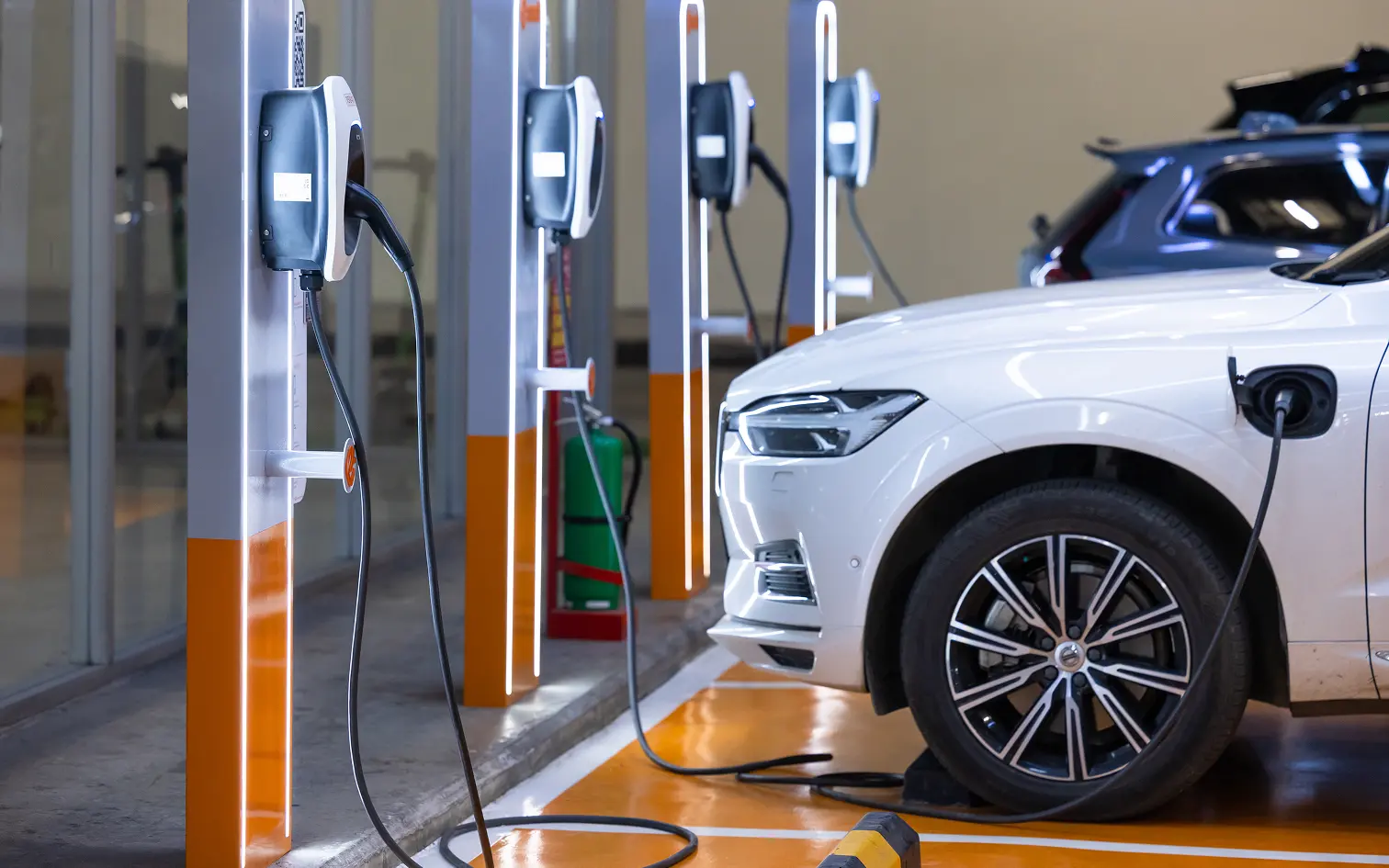
Development of Diffusion Model of Electric Vehicles in ASEAN Countries
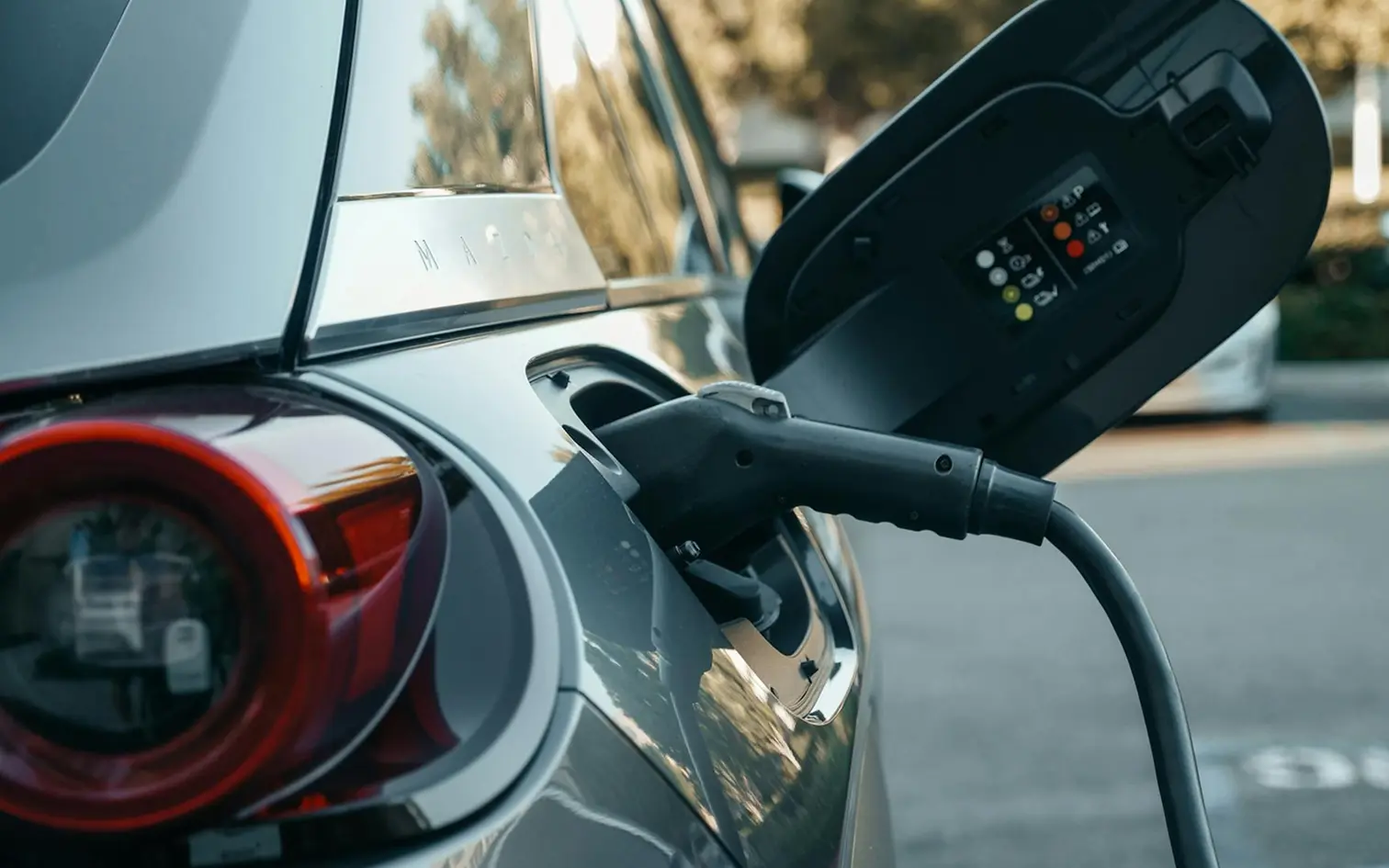
Preparing Initial Framework for Electric Vehicle Battery Passport in ASEAN: a Malaysia 2025 ASEAN Chairmanship's Priority Economic Deliverables (PED)

Paths for Decarbonising the Transport Sector in ASEAN

Electric Vehicles in ASEAN: Total Cost of Ownership, Externalities, and Sustainable Strategies